
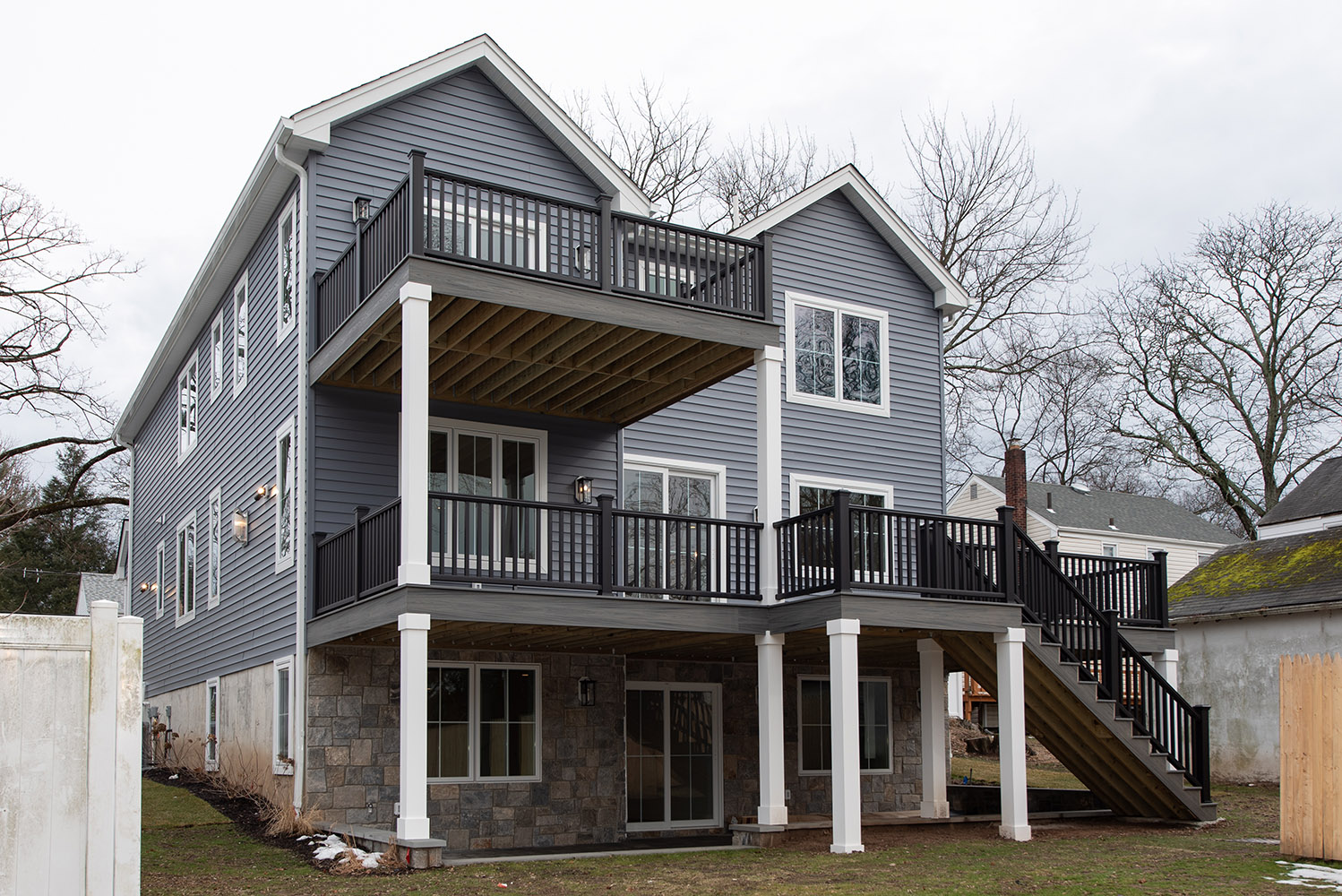
Zoning regulations play a major role in determining what you can build, where you can build it, and how large it can be. Yet many homeowners don’t fully understand zoning rules until they’re already deep into a project—often when challenges arise.
Local zoning ordinances control factors such as setbacks, building height, lot coverage, floor area ratio (FAR), and permitted uses. These regulations vary by municipality and can significantly affect new home construction, additions, and renovations. A project that seems straightforward on paper may require special approvals or variances once zoning constraints are reviewed.
This is where a zoning analysis or feasibility study becomes invaluable. By evaluating your property early, an architect can identify limitations, opportunities, and potential red flags—saving time, money, and frustration. If a variance or planning board approval is required, proper documentation and clear architectural presentation are essential.
Navigating zoning boards successfully requires experience, preparation, and the ability to communicate design intent clearly. With the right guidance, even complex zoning challenges can be addressed thoughtfully—allowing projects to move forward with confidence and clarity.